
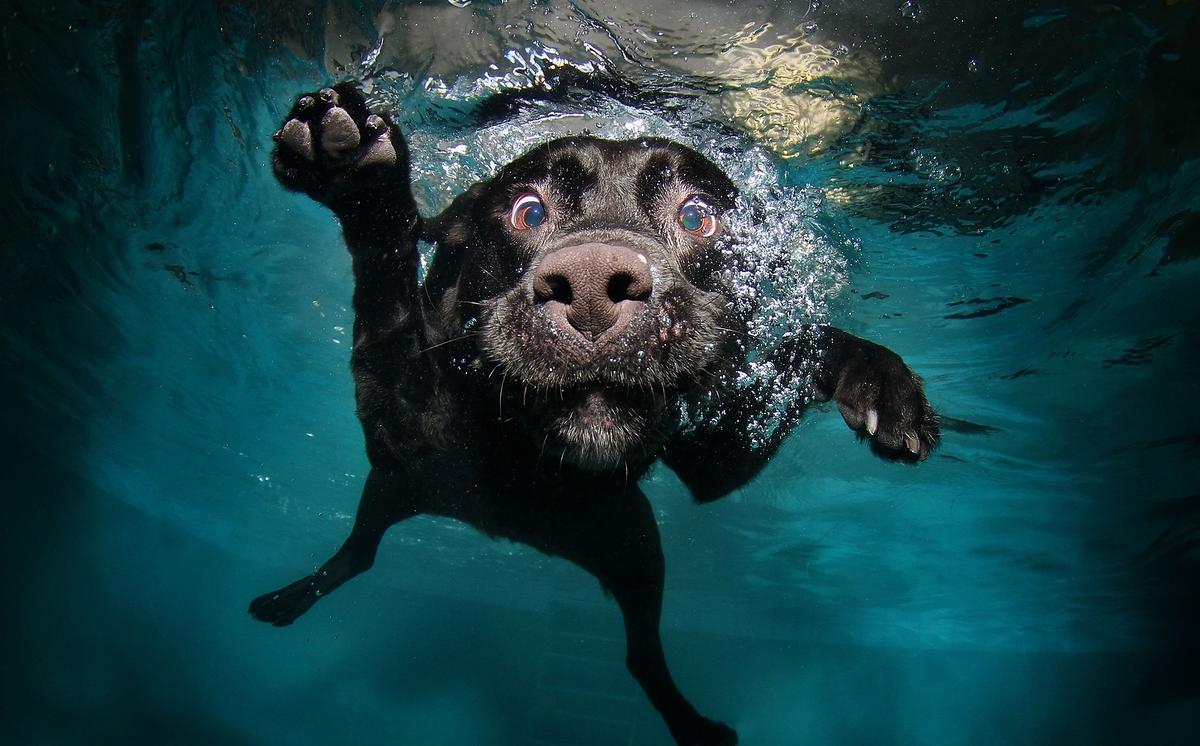
À l’approche de l’été et de la hausse des températures, il est important de prendre des précautions supplémentaires pour assurer la sécurité et le bien-être de vos compagnons à fourrure. Suivez ces conseils d’experts pour assurer la sécurité et le confort de vos animaux de compagnie pendant les mois les plus chauds.
1. Ne laissez jamais votre animal de compagnie dans une voiture chaude
Les chiens sont moins efficaces que les humains pour réguler leur température corporelle, et même une brève période dans une voiture chaude peut être dangereuse. Les jours de chaleur, une voiture garée peut rapidement atteindre des températures mortelles, même avec les fenêtres légèrement ouvertes. Prévoyez toujours des aires de repos adaptées aux animaux de compagnie pendant les voyages, et si vous ne pouvez pas emmener votre animal à l’intérieur, il est plus sûr de le laisser à la maison. Si vous voyagez seul et que vous ne pouvez pas emmener votre animal à l’intérieur, il est toujours préférable de le laisser dans un environnement sûr et frais plutôt que de risquer sa santé.
2. Assurez l’accès à de l’eau fraîche et à de l’ombre
La déshydratation et les coups de chaleur sont des risques réels pour les animaux de compagnie en été. Assurez-vous que votre animal a accès à de l’eau fraîche et propre en tout temps, surtout s’il est à l’extérieur. Aménagez un espace ombragé où il pourra se reposer et se rafraîchir. Évitez de promener votre animal pendant les heures de pointe de chaleur; tôt le matin ou tard le soir sont des moments idéaux pour les activités de plein air.

3. Comprenez la sensibilité de votre animal à la chaleur
Certains animaux sont plus vulnérables au stress thermique. Par exemple, les races nordiques comme les huskies, ou les chiens brachycéphales (à museau court) comme les bouledogues et les carlins, souffrent davantage par temps chaud en raison de leur capacité de halètement moins efficace. Les animaux plus âgés, les animaux en surpoids et ceux ayant des problèmes de santé préexistants courent également des risques accrus. Apprenez à reconnaître les signes de surchauffe, notamment le halètement excessif, la bave, la respiration rapide, la confusion et les vomissements. Dans les cas extrêmes, un coup de chaleur peut entraîner des convulsions, voire la mort. Gardez les animaux à face plate, les animaux âgés ou ceux souffrant de maladies cardiaques ou pulmonaires dans des espaces climatisés pendant les heures les plus chaudes de la journée.
4. Protégez vos animaux de compagnie des insectes nuisibles
L’été amène un afflux de parasites qui peuvent causer des problèmes de santé importants à vos animaux de compagnie. Les moustiques, par exemple, peuvent transmettre le ver du cœur, alors assurez-vous que votre chien reçoit un traitement préventif pendant la saison des moustiques. Les puces sont un autre parasite courant, entraînant des démangeaisons, de l’inconfort et même des réactions allergiques. Il existe une large gamme de produits anti-puces, alors parlez à votre vétérinaire pour trouver la meilleure option pour votre animal.
Les tiques sont une préoccupation majeure pour les animaux de compagnie dans les zones herbeuses ou boisées, car elles sont porteuses de maladies comme la maladie de Lyme. Envisagez d’utiliser des traitements préventifs contre les tiques et vérifiez toujours votre animal après les promenades. Les mouches, comme les mouches à cheval et les mouches à chevreuil, peuvent également causer des irritations, entraînant des démangeaisons et des infections potentielles.
5. Toilettage : Plus qu’une simple coupe
Un toilettage régulier est essentiel pour le confort de votre animal pendant les mois d’été. Coupez le pelage de votre chien pour l’aider à rester au frais, mais évitez de le raser complètement. Le pelage d’un chien aide à réguler sa température corporelle et protège contre les coups de soleil. Les chats aussi peuvent bénéficier d’un brossage plus fréquent pour réduire la perte de poils et prévenir les nœuds. Assurez-vous également que les produits solaires ou insectifuges que vous utilisez sont spécifiquement formulés pour les animaux afin d’éviter les réactions nocives.
6. Protégez vos animaux de compagnie des feux d’artifice
Bien que les feux d’artifice soient un élément essentiel des célébrations estivales, ils peuvent être effrayants et dangereux pour les animaux de compagnie. Les bruits forts et les lumières vives peuvent provoquer de l’anxiété, du stress et de la désorientation. De nombreux animaux de compagnie ont peur des feux d’artifice et peuvent tenter de s’échapper, se mettant ainsi en danger. Il est préférable de garder votre animal dans un endroit calme et sécurisé pendant les spectacles de feux d’artifice. N’utilisez jamais de feux d’artifice près de vos animaux, car ils peuvent provoquer de graves brûlures, des blessures ou une exposition toxique due à des matériaux non utilisés ou mal manipulés.

En restant vigilant et proactif, vous pouvez contribuer à ce que vos animaux de compagnie passent un été sûr et agréable. N’oubliez pas que des examens vétérinaires réguliers et des consultations sont essentiels pour gérer tout problème de santé. Avec les bonnes précautions, vous et votre animal pourrez profiter pleinement de la saison ensoleillée.